Intuitive Integrative Somatic Healing Arts
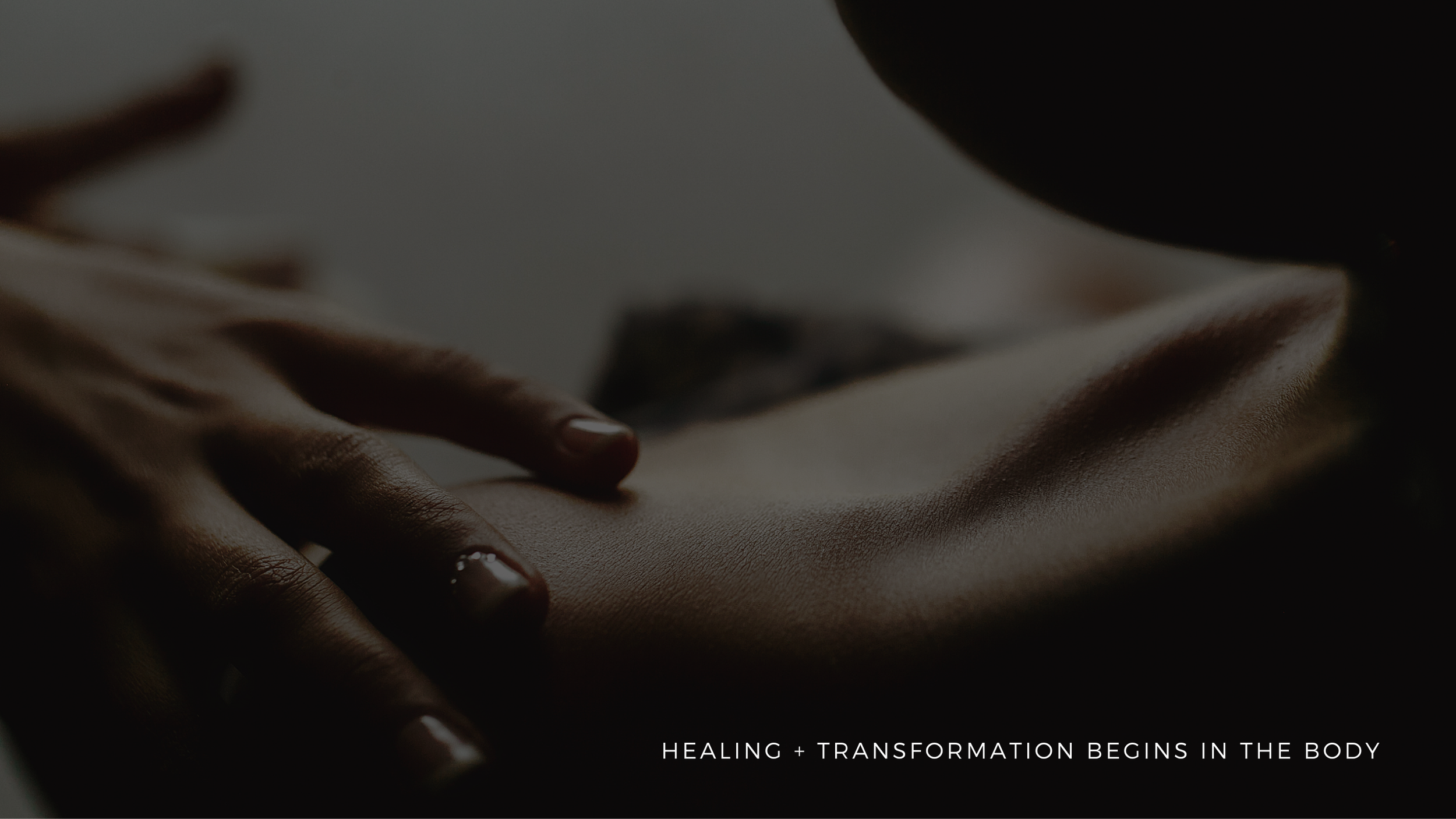
The primary goal in touch is not to manipulate muscles or tissues, but to facilitate a dialogue with the nervous system. This is often referred to as “therapeutic touch,” “attuned touch,” or “co-regulating touch.”
The practitioner uses their own regulated nervous system as a “resourcing” tool. Just as a calm parent’s presence can soothe a crying infant, the practitioner’s grounded and present touch can help a client’s dysregulated nervous system find a path back to a state of calm and safety.
Therapeutic Touch in Somatics
Key Differences from Massage or Physical Therapy:
Focus on the Nervous System, Not Muscles: A massage therapist’s goal is often to release muscle tension or knots. A somatic practitioner’s goal is to help the nervous system “unclench” its survival response, which then allows the muscles to relax. The touch is often very gentle, still, and slow.
Emphasis on Co-Regulation: The practitioner is constantly “listening” with their hands, feeling for subtle changes in the client’s body, such as shifts in temperature, breathing, or tiny movements. This is a collaborative process of co-regulation.
Consent and Boundaries are Paramount: The practitioner always asks for explicit consent before any touch. The client is in complete control and can stop the touch at any moment. This is a critical component for people who have experienced trauma, as it helps to re-establish a sense of agency and safety in their own body.
Touch is a Tool for Awareness: The touch is used to bring the client’s awareness to a specific part of their body. For example, a practitioner might place a hand on a client’s back to help them feel their connection to the ground and their sense of support. It’s a prompt for interoception—the awareness of internal bodily sensations.
A Somatic Practitioner is not the same as a Registered Massage Therapist.
An Intentional and Regulated Connection
How the Touch is Applied:
Still, Gentle Holds: The practitioner may place their hands on a person’s back, feet, or head and simply hold them without moving. This sustained, gentle pressure can be deeply grounding and calming.
Tracking and Following Sensations: A practitioner might place their hands over an area where a client feels trapped or “stuck.” They won’t push or manipulate; instead, they might gently follow the body’s subtle movements as it naturally begins to release and re-negotiate the stored energy.
Targeting “Regulatory Points”: Some modalities, like Somatic Experiencing, use touch on specific areas of the body that are key for nervous system regulation, such as the kidneys and adrenals, the brainstem, and the diaphragm.
Why is this form of touch so effective?
Trauma, especially early-life or developmental trauma, can often be pre-verbal. The memory of these events is stored in the body’s procedural memory—a non-conscious, sensory-based memory.
Therapeutic touch provides a direct, non-verbal way to communicate with this part of the body. It helps to:
Release “Stuck” Energy: When a person is in a state of “freeze,” their body’s survival energy is immobilized. Gentle touch can provide the support needed for this energy to slowly and safely discharge.
Re-establish a Sense of Safety: For many people with trauma, their body doesn’t feel like a safe place. Attuned touch, provided in a therapeutic context of trust and clear boundaries, can create a corrective experience, allowing the body to feel safe and grounded.
Restore Healthy Boundaries: By practicing consent in a tangible, physical way, therapeutic touch helps clients learn to distinguish between safe and unsafe touch and to set and maintain healthy boundaries in their own lives.
In essence, while it involves physical contact, therapeutic touch in somatic work is not about fixing or manipulating the body. It’s about a respectful, sacred collaborative presence that helps the client’s own innate wisdom and capacity for healing come to the forefront.
Interested to see if somatic integration could be right for you?
Contact us for more information or to schedule a free consultation with Paula